
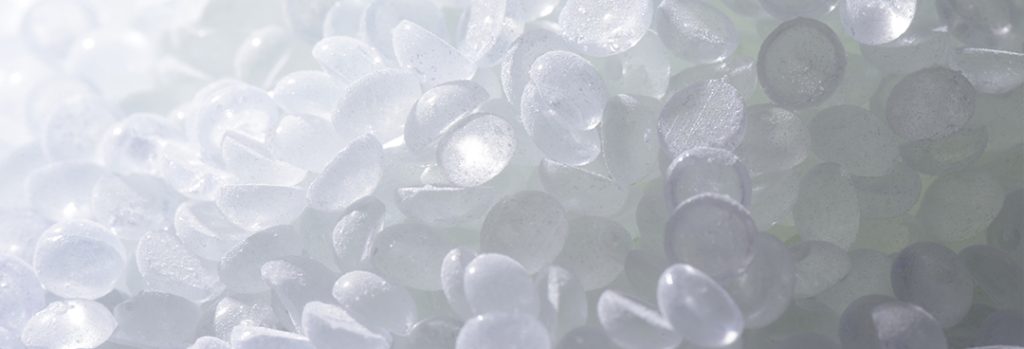
Hydrogenated Petroleum Resin:
– Hydrogenated petroleum resin is obtained by hydrogenating petroleum resin, converting unsaturated hydrocarbons into saturated hydrocarbons, thereby improving its color, odor, and weather resistance. It is mainly categorized into C5 hydrogenated resin and C9 hydrogenated resin.
C5 Hydrogenated Petroleum Resin
– Derived from the C5 fraction of ethylene cracking, it is synthesized via cationic polymerization of dienes and mono-olefins in the C5 components.
– Properties:
– Density: ~1.0
– Soluble in organic solvents (e.g., benzene, toluene, xylene, solvent oils) but insoluble in water.
– Appearance: Granular solid, white or yellow, brittle, prone to dust formation.
– Non-toxic, odorless, non-flammable, and non-explosive (environmentally friendly).
– Advantages:
– Excellent tackifying properties, compatibility, thermal stability, and light stability.
– Enhances adhesive performance, making it a key component in hot-melt adhesives and pressure-sensitive adhesives.
– Applications:
– Adhesives: Hot-melt adhesives, pressure-sensitive adhesives.
– Construction: Structural and decorative applications.
– Automotive: Assembly, tires.
– Packaging: Product packaging, bookbinding.
– Consumer Goods: Hygiene products, footwear.
– Coatings: Hot-melt road marking paint, colored asphalt.
– Paints: Accelerates drying, improves water/chemical resistance, aging resistance, hardness, and gloss.
– Medical: Used in blood storage bags, liquid medicine packaging, and infusion tubes to enhance heat resistance, transparency, and flexibility.
– Other: Rubber, plastics, optical recording materials.
C9 Hydrogenated Petroleum Resin
– A low-molecular-weight, semi-hydrogenated, water-white thermoplastic resin derived from petrochemical byproducts.
– Properties:
– Excellent heat resistance, compatibility (with EVA, SBC, etc.), thermal stability, and low odor.
– Colorless, transparent, solvent-based tackifier.
– Applications:
– Adhesives: Compatible with CR, SBS, SIS, SEBS, NR, EVA; improves initial tack and thermal stability.
– Inks & Paints: Enhances water/chemical resistance, aging resistance, gloss, and adhesion.
– Rubber/Plastics: Acts as a processing aid, improving flow and adhesion; serves as a nucleating agent for polyolefins to increase transparency and strength.
– Foam Processing: Enhances melt strength in PE/EVA foams.
– Coatings: Mixed with chloroprene latex for weather-resistant exterior/anti-corrosion coatings; combined with asphalt emulsion for waterproofing materials.
– Casting: Improves yield as a binder.
– Film Industry: Used to produce colorless “glass” props.
DCPD Hydrogenated Petroleum Resin
– Synthesized from dicyclopentadiene (DCPD) under specific temperature and pressure conditions, followed by pretreatment, hydrogenation, and refining.
– Properties:
– White or light yellow.
– Excellent tackifying properties, compatibility, thermal stability, and light stability.
– Soluble in ester and polyurethane solvents; compatible with epoxy resins.
– High softening point, good flowability.
– Advantages:
– Reduces coating costs, minimizes shrinkage in epoxy resins.
– Enhances adhesion, pigment wetting, and film leveling.
– Improves ink drying speed, color development, and printability.
– Applications:
– Rubber: High-end rubber products, radial/racing/bias tires, inner tubes.
– Coatings: Marine paints, nitrocellulose/alkyd/epoxy/polyester coatings.
– Adhesives & Electrical Engineering: Used in sealants and electrical insulation.
– Inks: High-end printing inks (gravure, copperplate).
– Construction & Automotive: Structural/decorative applications, assembly, tires.
– Consumer Goods: Packaging, hygiene products (diapers, sanitary napkins), footwear.